

3D-Printed Small Animal Orthopedic Implant System Receives Industry-Wide Performance Validation
发布日期: 2026-10-17 内容来源于: http://www.sdveterinary.com/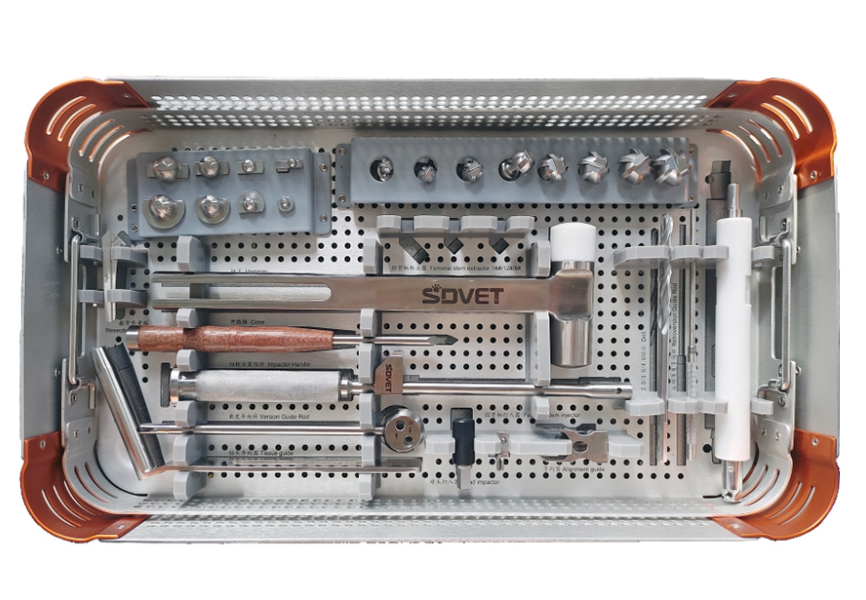
On October 15, 2026, a veterinary medical device testing alliance in East China announced that its independently developed 3D-printed small animal orthopedic implant system has completed 18 months of large-scale animal model validation, achieving an average bone-implant contact rate above 58%—surpassing the widely recognized 50% excellent performance threshold for veterinary orthopedic implants. The validated system covers fracture fixation plates, locking screws, joint repair components and bone defect filling scaffolds, all optimized specifically for the anatomical characteristics of small companion animals.
Unlike standard human orthopedic implants that are often scaled down for off-label veterinary use, this new system was designed from the ground up for small animal orthopedic anatomy. The fracture fixation series uses titanium alloy and medical polymer materials that are carefully matched to the bone density, cortical thickness and mechanical load requirements of different companion animal species. For small animal long bone fracture repair, the specially designed low-profile plate profile avoids excessive soft tissue irritation, while the locking screw structure provides stable fixation that prevents secondary displacement even during active pet movement in the early post-operative stage.
The global companion animal ortho-prosthetic market was valued at USD 675.25 million in 2025, and the custom animal prosthetics segment alone reached USD 146 million in the same year, with a projected compound annual growth rate of 6.8% through 2032. This sustained growth reflects the rapid rise in demand for species-specific, anatomy-matched veterinary orthopedic solutions, as pet owners increasingly expect the same level of precision medical care for their companion animals that is standard in human orthopedic treatment.
During the 18-month validation process, the research team strictly followed international veterinary orthopedic testing protocols. For long bone implant performance verification, mature beagle dogs were selected as the standard experimental model, as their knee joint structure, flexion range and cartilage thickness closely resemble human orthopedic biomechanics, making them the gold standard for ligament repair and joint replacement research. For critical bone defect testing, the team established standardized 1.4cm radial defect models in experimental rabbits to evaluate the bone conduction performance of 3D-printed filling scaffolds, which demonstrated consistent new bone ingrowth across the entire defect area within 12 weeks.
The entire implant system has now entered the final stage of clinical trial preparation, and is expected to receive formal market access approval for veterinary use in China in the second half of 2027. The testing alliance will also release a full set of reference guidelines for small animal orthopedic implant selection, helping local veterinary surgeons choose the most appropriate implant specifications according to different animal species, weight ranges and injury types.